
Here on our finca, we’re on a mission to merge a food forest with an ecological farm. Within the lush canopy of our food forest, we nurture fruits, nuts, and perennial delights for the long haul. Meanwhile, our farm bustles with the cultivation of annual veggies and steadfast herbs. This dual approach not only caters to our needs but also lays the groundwork for a flourishing agricultural venture. But before we can revel in success, we must tackle a myriad of challenges. In this blog, I’ll walk you through our trials, triumphs, and the fascinating experiments shaping our journey. Enjoy the ride!
Confronting the Unfamiliar
Moving to a new country, especially one with a subtropical climate like Gran Canaria, presents its own set of hurdles. But diving into the realm of biological farming adds another layer of complexity.
New Climate Zone
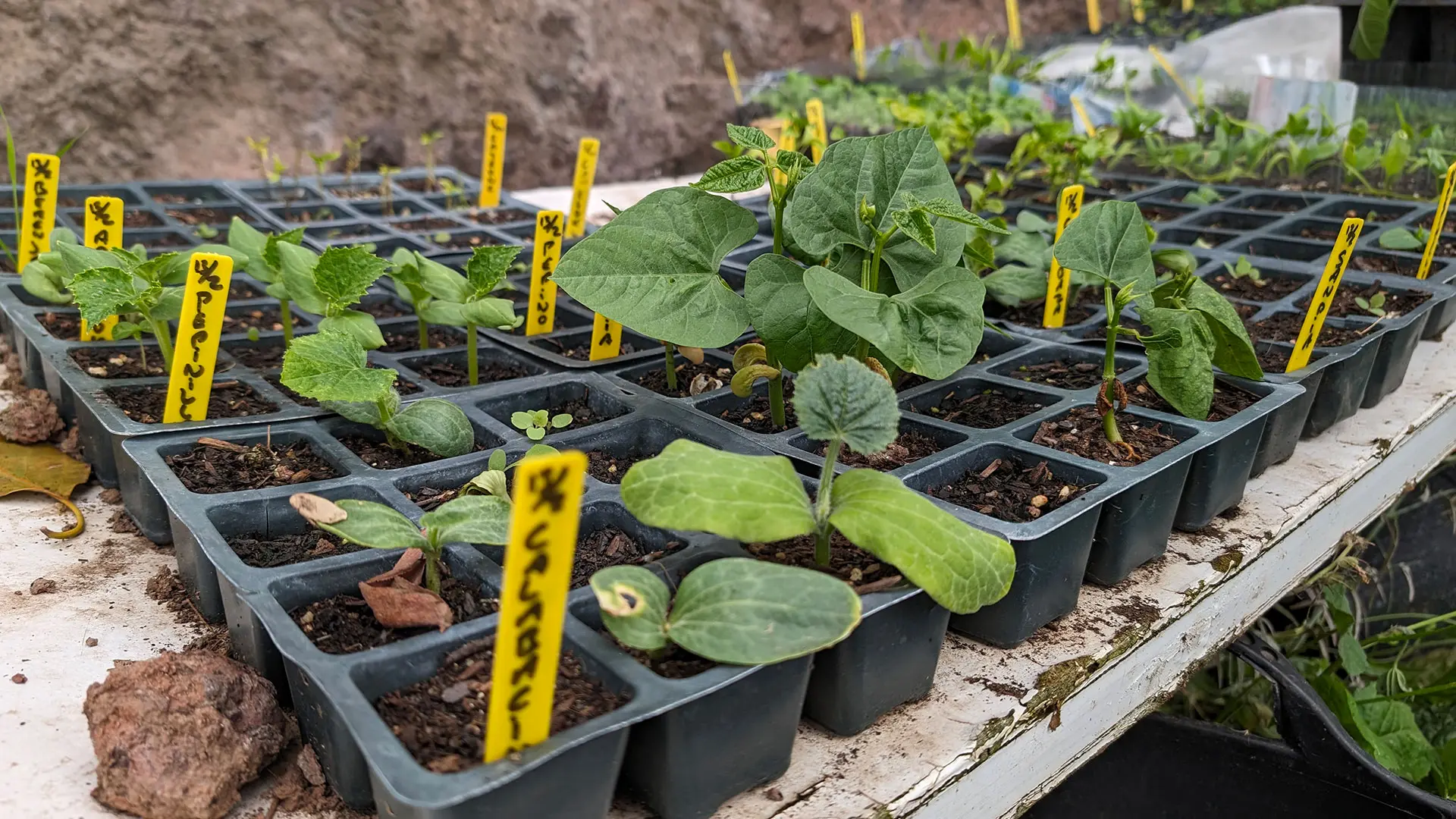 Gran Canaria’s weather couldn’t be more different from our native Holland. The temperature soars, the winters are mild, and the summers stretch long and dry. Rainy days are scarce compared to the drenched seasons back home. This drastically alters our growing seasons, rendering our Dutch planting calendars obsolete. Crafting a new sowing and planting calendar tailored to our subtropical reality became our first challenge.
Biological Plants & Seeds
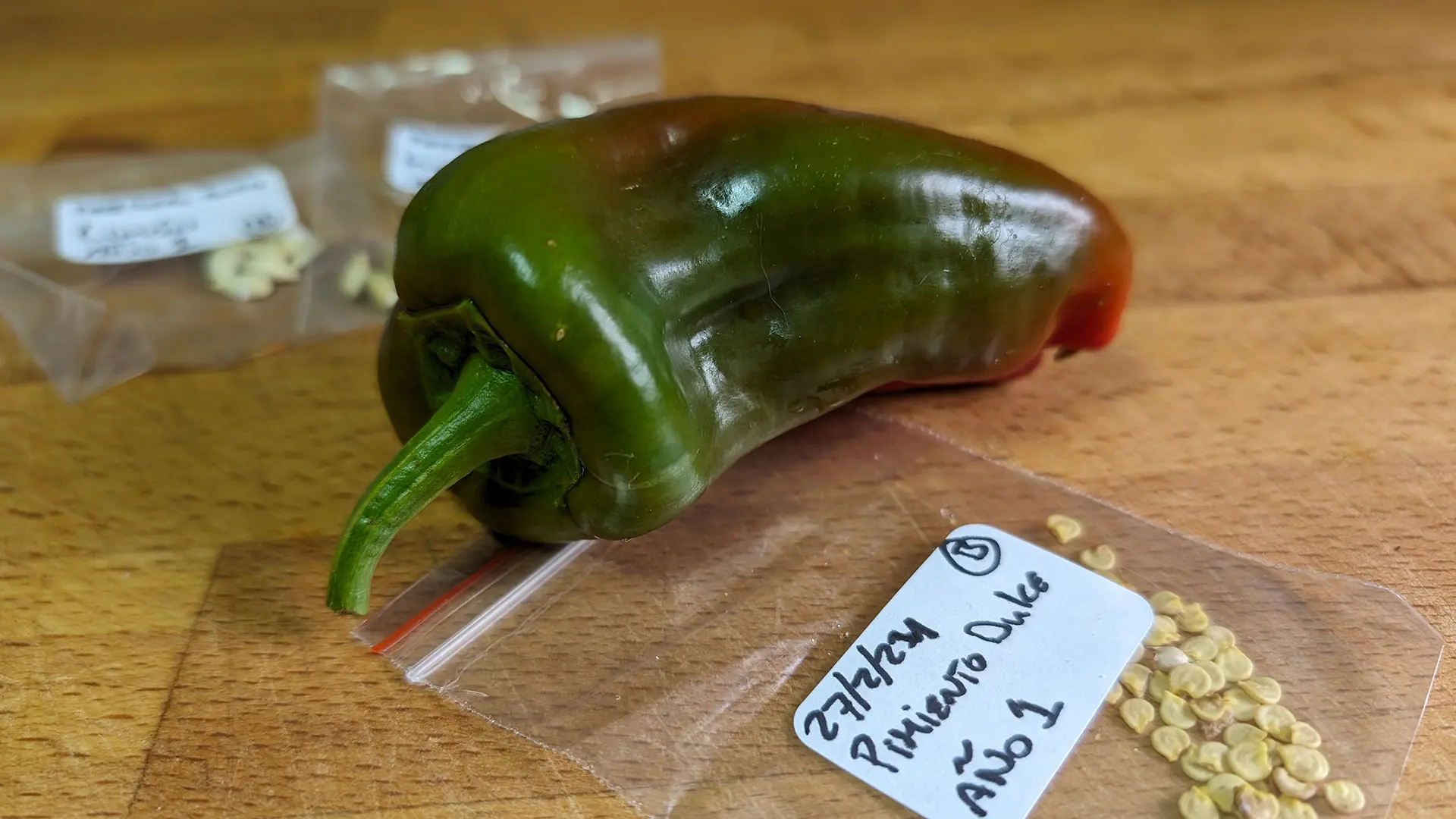 Gran Canaria’s weather couldn’t be more different from our native Holland. The temperature soars, the winters are mild, and the summers stretch long and dry. Rainy days are scarce compared to the drenched seasons back home. This drastically alters our growing seasons, rendering our Dutch planting calendars obsolete. Crafting a new sowing and planting calendar tailored to our subtropical reality became our first challenge.
Terror Rabbits
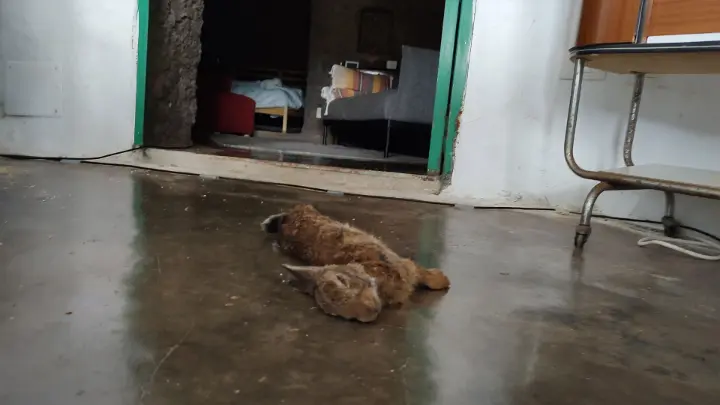
Last summer, we encountered an unexpected adversary: the terror rabbit. Introduced to the Canary Islands by Spanish settlers for hunting purposes, these fluffy invaders wreak havoc on our crops during the scorching summers. With a relentless appetite, they devour everything in sight, posing a threat to our plants and vegetables. They even ate the almost impenetrable pineapples. Thankfully, our feline friends, coupled with the natural predators like buzzards, have helped mitigate this pest problem. For now…
Lack of Rain
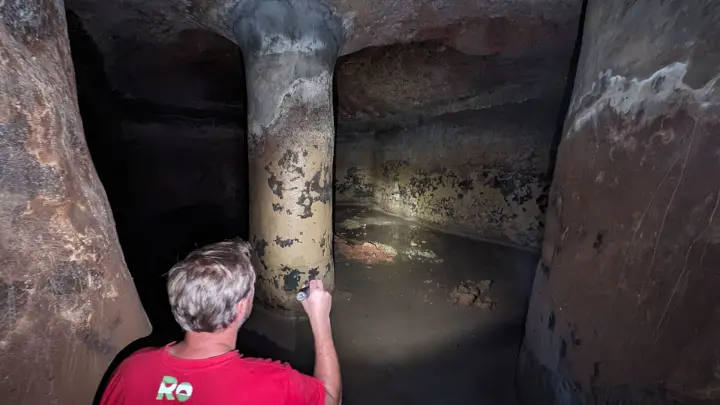 Water scarcity, worsened by climate change, presents yet another challenge. Despite having caves that collect rainwater, the island’s dwindling rainfall left us high and dry. A scorching summer and 75% less rainfall this winter led to our water caves drying up—a phenomenon unseen in over two decades. While we’ve tapped into the island’s agricultural water network as a temporary solution, unpredictable weather patterns have taken a toll on our crops. For example, the Australian waxflowers we are harvesting now, produce only a third of their normal yield.